Picture Framing Glass (Glazing): Quick Guide
Short answer: Choose glazing to protect art from UV damage, reduce glare, and keep surfaces clean. For most valuable or light-sensitive works, we recommend Museum/AR glazing (glass or acrylic): anti-reflective, high light transmission, and conservation-grade UV filtering. For oversized, high-traffic, or children’s rooms, acrylic (incl. Optium-type) is the safer, lighter choice.
What glazing actually does
-
Blocks damaging UV that can fade works on paper, photographs, textiles, and organic media.
-
Cuts reflections so you see the artwork, not the room lights.
-
Protects the surface from fingerprints, dust, and accidental contact.
Which option is right for your piece?
1) Clear Glass (basic protection)
-
Good for posters/prints with lower light sensitivity.
-
Budget-friendly; does not meaningfully cut glare.
2) Non-Glare / Reflection-Control Glass
-
Surface-etched to diffuse reflections.
-
Softer look; may slightly soften fine detail.
3) Anti-Reflective (AR) / “Museum” Glass
-
Multi-layer coatings for very low reflectance and high clarity.
-
Conservation-grade UV filtering for sensitive works.
-
Our go-to for originals, photographs, and important pieces in bright rooms.
4) Acrylic (incl. Optium-type Museum Acrylic)
-
Half the weight of glass; shatter-resistant—ideal for large frames, stairwells, kids’ rooms, and shipping.
-
Premium versions add AR coatings, conservation-grade UV, abrasion resistance, and anti-static (best for charcoal/pastel).
At-A-Glance Comparison
…Which option is right?| Need | Best choice | Why |
|---|---|---|
| Best overall viewing + protection | AR / Museum Glass | Crisp detail, very low glare, conservation-grade UV |
| Oversize / high-traffic / kids’ rooms / shipping | Museum Acrylic (Optium-type) | Light weight, shatter-resistant, AR + UV, anti-static |
| Budget + some glare control | Non-Glare Glass | Diffuses reflections; slight softening of detail |
| Budget basic | Clear Glass | Economical; no glare control |
Levels of UV Protection
UV filtering helps slow fading and material breakdown in light-sensitive works. Choose the protection level that fits the artwork, lighting, and size.
- Standard clear glass: Minimal UV filtering. Best for decorative pieces in low light.
- Conservation UV glass (≈99% UV): High UV filtering; good for works on paper, photos, textiles.
- AR / “Museum” glass (≈99% UV): Very low reflections + high UV filtering for the clearest view.
- Museum acrylic (≈99% UV, anti-static): Light, shatter-resistant, AR coatings; ideal for oversized, public, or kid-safe installs.
Standards note: Framing materials and practices generally follow ISO 18902 (Imaging materials — Processed imaging materials — Albums, framing and storage materials). Use conservation-grade components throughout the package for best results.
References (specs)
Levels of UV Protection For Artwork:
The standard to be Conservation Grade is 97%!
* ISO 18902:2013 (framing/storage standard) 97%.
Artglass AR 70 (≈70% UV): a balanced option when you want anti-reflective clarity with moderate UV filtering. Ideal for decorative pieces in controlled lighting or when full conservation (≈99% UV) isn’t required. For light-sensitive works on paper or bright rooms, step up to AR 99/Museum glass or Museum acrylic (≈99% UV).
Source specs: Artglass AR 70 | Tru Vue Museum Glass (PDF) | Optium Museum Acrylic (PDF)
Tip: For pastel/charcoal, choose anti-static acrylic to avoid lifting pigment.
Our recommendation framework
-
Originals, photographs, works on paper, or bright rooms: AR / Museum (glass or acrylic).
-
Oversized pieces or areas where safety matters: Museum Acrylic.
-
Decorative prints in low light: Non-glare or clear can be fine.
[Contact us →] for a quick recommendation and quote based on your artwork, room lighting, and size.
FAQ (the short answers)
What’s the difference between non-glare and AR/Museum glass?
Non-glare diffuses reflections (matte look) and can slightly soften detail. AR/Museum cancels reflections with optical coatings, so detail and colour stay crisp while glare drops dramatically.
What does “conservation-grade UV” mean?
It indicates a high level of UV filtering suitable for sensitive media (works on paper, photos, textiles). It helps slow fading and material breakdown over time.
When should I choose acrylic instead of glass?
Use acrylic for large frames, children’s rooms, public/high-traffic spaces, and whenever lighter weight or shatter resistance matters. Premium acrylic adds AR, UV, abrasion resistance, and anti-static benefits.
Will non-glare make my art look dull?
It reduces reflections by diffusing light, which can slightly soften very fine detail. If you want the clearest view with low reflection, pick AR/Museum.
What’s best for charcoal or pastel?
Anti-static acrylic (museum/Optium-type) prevents static from lifting pigment and still provides glare reduction and UV protection.
How do I clean it?
Use a clean microfibre cloth. For glass, an ammonia-free cleaner is safest. For acrylic, use acrylic-safe cleaner—avoid harsh chemicals or paper towels.
Why Creations Art Gallery & Framing
-
Conservation-minded materials and methods.
-
Decades of framing experience and gallery care standards.
-
Custom recommendations for your artwork, lighting, and budget.
[Book a framing consult →] | [See our Moulding Options →] | [See our Matting Ideas →]
See the Difference in UV Protection


Reduced Reflection Glass
Without
With
Glare--------
--------Glare Reduction
------------Increased Clarity
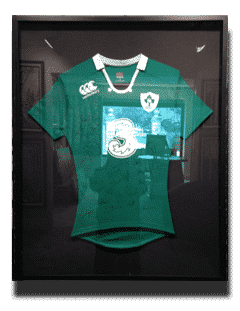
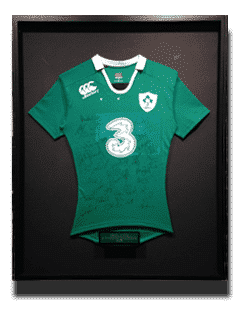
Without
With
Glare---------
Glare---------
Glare---------
Glare Reduction
Increased Clarity
Glare vs Clarity! .....See The Difference.

70% PROTECTION
AR 70 offers basic UV protection. The 70% UV block is achieved through manipulations of light while making the glass invisible. It is enough to protect durable artworks and art mediums.
92% PROTECTION
While not qualified as a conservation-grade UV protection, Artglass AR 92 offers elevated protection that comes with the anti-reflective coating production process.
MAXIMUM UV PROTECTION
Maximum UV protection ensures up to 100% protection from damaging ultraviolet light. Choose Artglass UV 99, Artglass AR 99 Water White or the shatter-resistant products – AR 99 Protect and Artglass Lifetime Acrylic.
How UV Filtering Works and Bring Enhanced Clarity:
Conservation glazing uses specialized substrates/coatings to block UV wavelengths that accelerate fading and material breakdown.

Museum Glass
- UV Coatings
Museum Glass

UV Light, Sun!

UV Light

Blocked
99% of UV Light
Museum Glass
- UV Coating

Reduced Reflection
Less Than 1%
Light Glare

97% Light Transmission
Better Art Viewing
Increased Clarity
99% UV Protection / Optium / Museum
Overview
99% UV Protection / Optium / Museum is a premier choice for glazing applications worldwide, especially in settings that demand the utmost care and precision. This acrylic sheet is specifically designed to cater to the needs of delicate and valuable pieces, ensuring they remain in pristine condition. Here's a detailed breakdown of its features:
- 99% UV Protection: It provides top-tier UV protection, safeguarding fragile artworks and other valuable items from the detrimental effects of UV rays.
- Anti-Reflective: The acrylic is engineered to minimize reflections, ensuring that viewers experience optimal clarity when observing the artwork or item behind it.
- Abrasion Resistant: Equipped with a hard coat, this acrylic is resistant to minor scratches. This makes it especially suitable for areas with high foot traffic or during transit where the risk of abrasions is higher.
- Anti-Static: This feature is particularly beneficial for artworks made from charcoal and pastel. Additionally, the anti-static property reduces the accumulation of dust on the acrylic's surface, keeping the view clear and the artwork clean.
- High Light Transmission: With a light transmission rate of over 98%, this acrylic ensures excellent clarity, making the artwork or item behind it pop.
- Lightweight: Weighing half as much as traditional glass, Optium Museum Acrylic® is an ideal choice for larger installations where weight can be a concern.
- Ease of Maintenance: This acrylic variant is easier to clean compared to standard UVF acrylic, ensuring longevity and clarity.
- Versatility: Available in a range of gauges and sheet sizes, it caters to diverse needs.
- Shatter Resistance: Its excellent shatter resistance ensures safety, especially in settings where breakage can be a concern.
For anyone looking to protect and showcase their valuable artwork with unmatched clarity and safety, Optium Museum Acrylic is the go-to choice.
Watch: Works on Paper & Optium
In this short video we explain why museum acrylic is ideal for pastels, charcoal and photographs—anti-static, AR coatings, and ≈99% UV filtering.
 Activate to load the YouTube player.
Transcript (excerpt): At the Rijksmuseum, the goal is to help visitors connect with the art without distracting reflections. Optium Museum Acrylic provides near-invisible viewing with anti-reflective coatings, high UV protection, and a lighter, shatter-resistant build—ideal for large or sensitive works.