To start a return on an online or phone purchase, contact the gallery at 905-648-6199 or  within 48 hours of receiving your shipment.
Refunds cover the price of the artwork. Custom framing, commissions, shipping, handling, service charges and restocking charges are non-refundable, and return shipping is at your cost unless agreed in writing beforehand. The full policy also covers exchanges, deposits and Art On Approval.
We only collect the information we need to process your order and answer your enquiries — your name, e-mail address, mailing address and phone number. You are welcome to browse the gallery site anonymously.
We do not sell, trade or otherwise transfer your personal information to outside parties, apart from the trusted services that help us operate the site and fulfil your order, and they are required to keep it confidential.
Using Creations-Gallery.com means you accept our Terms and Conditions — the website Terms of Use agreement between you and Creations Art Gallery & Framing Studio.
They cover general conditions of use, product descriptions, intellectual property and third-party copyright in the artwork shown here, links to other sites, comments and submissions, disclaimers and limitations of liability, and the governing law.

Original Prints – Hand printed from plates created by the Artist. Colors are then printed one at a time by or under the direction of the artist. The prints are signed by the artist and numbered. The plates are then destroyed or defaced.
Signed and Numbered – Authenticated with the artist’s signature, the total number of impressions in the edition, and the order in which the impressions are signed; “5/75” indicates that the print is the fifth signed of an edition of 75 impressions.
– At one time when the printing process was not as developed as it is today. The artist would need to review the first print that came out of the printing press for quality and likeness to the original. Any differences would be hand touched by the artist. The printer would adjust the printing of plate to match the artist changes. A print outside of the numbered series, usually 1/10 of the edition.
Publishers Proof – This series was sometimes given to the printer or the patron of the orignal art for services provided. A print outside of the numbered series, usually 1/10 of the edition.
Hor De Commerce (H.C.) – (pron. OR de com-AIRCE) – A designation for prints not in the numbered series pulled for the use of the publisher, normally limited to five or six.
Reproduction Print – Printed from plates produced by the process of offset lithography.
Photomechanical Offset Printing – A process in which an image is transferred to a printing plate photographically and then onto a roller which prints on paper. An offset print is not a graphic.
Relief – A technique in which the portions of a plate intended to print are raised above the surface, as woodcut, linocut, etc.
Intaglio (pron. in-TAHL-yo) – Any technique in which an image is incised below the surface of the plate, including dry point, etching, aquatint, engraving, and mezzotint.
Serigraph (screenprinting, silkscreen) – A stenciling method in which the image is transferred to paper by forcing ink or paint through a fine mesh in which the background has been blocked.
Planography – Any process of printing from a surface level with the plate, as lithography.
Aquatint – An intaglio method in which areas of color are made by dusting powdered resin on a metal plate and then letting acid eat the plate surface away from around it.
Bon-a-tirer – (pron. bone-ah-ti-RAY) – The first impression of a print run acceptable to the artist and used as the standard with which each subsequent impression is compared.
Dry Point – An intaglio technique like engraving in which the image is drawn on a metal plate with a needle, raising a ridge which prints a soft line.
Engraving – An intaglio process in which lines are cut into a metal plate and then filled with ink to transfer the image onto paper.
Embossed Print – Uninked relief print in which dampened paper is pressed into recessed areas of a plate, producing a three-dimensional impression.
Etching – An intaglio process in which an image is scratched through an acid-resistant coating on a metal plate. The plate is then dipped in acid which eats into the exposed surface.
Linocut – A process in which an image is cut in relief on a linoleum block.
Lithograph – A planographic process in which images are drawn with crayon or a greasy ink on stone or metal and then transferred to paper.
Mezzotint – An intaglio process in which the plate surface is roughened and then an image is created by smoothing the areas to be printed.
Monotype – A unique print made from an inked, painted glass or metal plate.
General Art Terms:
Acrylic – A plastic used as a medium for pigments in painting or as a casting material in sculpture.
Applique (pron. ap-li-KAY) – A cut-out attached to a background.
Aquarelle (pron. ak-we-RELL) – Transparent watercolor.
Assemblage – Sculpture formed by joining individual pieces, sometimes “found objects.”
Bas-Relief (pron. BAH relief) – Sculpture in which the figure projects only slightly from the background.
Diptych (pron. DIP-tick) – A two-part painting, often of attached panels. A triptych is composed of three parts, a tetraptych four, etc.
Gouache – Watercolor to which an opaque white has been added.
Graphic – Any work printed directly on paper from a plate or block.
Haute Relief – High sculptural relief in which figures project from a background at least half their real depth.
Impasto – Thick application of paint creating a textured surface.
Mixed Media – The use of different materials in the same work.
Pastel – A soft chalk made of pigments, water and a binder, blended into a stiff paste and dried.
Levels of Glass with UV Protection:
The standard to be Conservation Grade is 97%!
* ISO 1890:2007 recommends using glazing with at least 97%.
-
Premium Clear Glass (45%)
0% -
Reflection Free (%) 78
0% -
Optium Acrylic (%) 93
0% -
Museum Glass (%) 99
0% -
Museum Acrylic (%) 99
0%
* International Organization for Standardization (ISO) – a non-profit, third-party organization that sets worldwide standards for everything from healthcare and baby food, to the preservation of scrapbooks and motion pictures.
International Organization for Standardization ISO 1890:2007 -> recommends using glazing with at least 97%
* International Organization for Standardization (ISO) – a non-profit, third-party organization that sets worldwide standards for everything from healthcare and baby food, to the preservation of scrapbooks and motion pictures.
What percentage of UV rays does the coating block?Tru Vue Conservation Grade glass products, including Museum Glass®, Conservation Clear® and Conservation Reflection Control®, effectively block 99% of all harmful indoor and outdoor UV light rays. Is the UV coating permanent?
Yes. Tru Vue manufactures its Conservation Grade glass products by applying an inorganic silica-based UV inhibiting coating to the glass surface. The UV coating is “baked” into the glass, producing a permanently bonded coating. Tru Vue Conservation Grade glass products have been field tested for over 20 years and do not delaminate or degrade over time. When should UV protection glass be used?
Since UV light rays come from indoor and outdoor light sources, all items on display are vulnerable to the damaging effects of UV light exposure. That’s why it is important to use glass with at least 97% UV protection on all of your custom framing jobs.
Conservation framing materials and techniques should always be used on sentimental, valuable, limited edition and one-of-a-kind artwork. Also use UV protection glass on all works of art your customers want to protect, especially posters and open edition prints. Posters or open edition prints are more susceptible to UV light damage since the inks, papers and other materials used to create them are more likely to deteriorate than those used in higher end reproductions.
Why is UV protection important?Without at least 97% UV protection framed pieces will age and fade more rapidly. Indoor and outdoor UV light rays contribute to severe color loss, paper embrittlement and deterioration of framed pieces. These effects are both cumulative and irreversible. The materials that make up the piece, the paper or fabric on which the image is displayed, may become brittle. Photos may appear yellow or stained with ghostly silver deposits rising to the surface. Once damage from light has occurred, it can never be reversed. That’s why it is important to understand what you can do to minimize this type of damage before it happens. Are there forces other than UV light that can contribute to damage to items on display?
Yes. While it is very important to reduce UV light exposure, this alone will not eliminate fading and other deterioration. All light, not just UV light can be damaging. Heat, pollution, moisture, the materials that make up the piece as well as poor quality framing materials are all contributing factors. Using conservation framing techniques and materials as well as educating your customer on how to properly display and care for their framed piece will help minimize the risk of damage caused by these factors.
Remind your customers that care should be given when displaying their framed piece to avoid unnecessary exposure to light. Since some light is required for your customers to enjoy and see their framed pieces, it is all the more important to reduce any damage from UV light, by using glazing with at least 97% UV protection.
How can customers protect their framed pieces?Help your customers select framing materials that will protect their framed pieces for years to come. Educate your customers on the damaging effects of all light, visible and invisible, and recommend that they select glazing with at least 97% UV protection to reduce the damaging effects of UV light. Give your customers simple instructions for displaying and caring for their framed piece. UV protection will not eliminate fading, so your customers should use care when displaying their framed pieces. Direct light exposure for any duration should be avoided. Hanging or displaying the piece in a controlled lighting environment with low humidity is recommended.
For additional tips, Tru Vue recommends reading A Consumer Guide to Materials for Preservation Framing and the Display of Photographic Images, created by the Image Permanence Institute. To download this guide go to www.imagepermanenceinstitute.org.
Is fluorescent light harmful?Yes. All light can be harmful. While fluorescent lighting can have a higher output in the UV range compared to incandescent lighting, the more important factor is the overall brightness of the light source. To minimize light damage, avoid placing artwork near sunlit windows or bright sources of light. The windows in my customer’s home have UV coating. Should I still use UV filtering glass?
Yes. Unfortunately, the sun is not the only source of harmful UV light rays. All light sources, whether natural or artificial, have some of their components in the ultraviolet range.
How does anti-reflective glass reduce reflection?
The thin film coatings on Tru Vue anti-reflective glass disrupt the energy contained in light waves causing them to flow out of sync. This disrupted wave pattern virtually eliminates all reflection from the glass surface. Diagrams of how this process works are included with the descriptions of all anti-reflective products.
What is non-glare glass?
Non-glare picture framing glass is finished to diffuse reflected light. This process also gives the glass surface a matte finish.
How do I clean picture framing glass?
If spot cleaning is needed, spray a small amount of ammonia-free glass cleaner on a micro-fiber cloth or a clean lint-free cotton rag. To prevent overspray, do not spray the cleaner directly on the glass. Press the cloth against the glass and clean in a round, circular motions.
Why is ammonia-free glass cleaner?
Cleaning glass with harsh chemicals such as ammonia can be harmful. Ammonia can cause out-gassing within the framing package.
What type of glazing should I use for pastel or charcoal based art?
Pastel or charcoal based art can become damaged using most glazing products due to the inherent static charge of the substrate. Tru Vue Optium® Acrylic Glazing provides long-lasting anti-static as well as anti-reflective properties to help protect art from damage and to help showcase your art the way it was intended.
New Customer Service:
1) Safe and Secure Pick up which is available at the gallery.
2) Our Gallery to your Door Delivery for our local customer.
3) World Wide Shipping.
For pickups, just call when you arrive in our parking lot, and we will bring your order to the trunk of your car. OR for the safe contact-free delivery to your door. Your local delivery date will be confirmed, and you will receive a phone call when delivery is in your driveway. Rest assured no order will be delivered if you are not home to receive it. (To ensure proper COVID-19 precautions our white glove installation is not available at this time.)
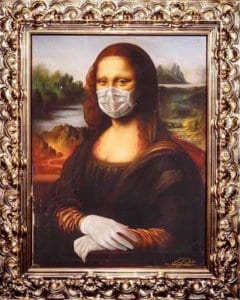
Our store has been closed to our public since March 14th and conduct COVID-19 good hygiene practices. We have implemented several additional precautions to minimize the risk of the transmission of COVID-19 for both gallery personnel and customers alike, including an emphasis on the frequency of the disinfection of all contact surface, packaging and frequently touched surfaces.
Our Annual Framing Sale and intimate Artist Workshop series will continue soon after the Gallery is re-opened. Please check back soon for updates and follow along on Instagram FaceBook where we’ll be sharing features and behind-the-scenes stories.
Used to Estimate Prices in Your Currency – World Wide Shipping Available.
| Country: | Current Rate Used: |
| *Canada | 1 * Base Rate |
| USA {includes estimate for shipping} | 0.8112021446228 |
| Great Britain {includes estimate for shipping} | 0.64090000152588 |
| European Euro | 0.75249999284744 |
| Australian | 1.1447000551224 |
| Japan | 112.59000244141 |
| China | 0 |
| Swiss | 0.73636999130249 |
| BitCoin | 43.65001394 **Estimated |
Acrylic – A plastic used as a medium for pigments in painting or as a casting material in sculpture.
Applique – A cut-out attached to a background.
Aquarelle Transparent watercolor.
Assemblage – Sculpture formed by joining individual pieces, sometimes “found objects.”
Bas-Relief – Sculpture in which the figure projects only slightly from the background.
Diptych – A two-part painting, often of attached panels. A triptych is composed of three parts, a tetraptych four, etc.
Encaustic – is a beeswax-based paint mixed with pigment and kept molten while painting. The word encaustic comes from the Greek meaning to “burn in” which refers to the process of fusing the paint. This type of painting was used in the 5th century B.C. for weathering boats and coloring marble. Encaustic is the most durable of the artist’s paints because the beeswax is impervious to moisture. As a result, it will not deteriorate, yellow or darken and it can be polished to a high gloss for a brilliant surface. The beauty and the difficultly in the paint is found in its immediate drying time. Because it cools immediately, the gesture and brush strokes are captured
Gouache – Watercolor to which an opaque white has been added.
Graphic – Any work printed directly on paper from a plate or block.
Haute Relief– High sculptural relief in which figures project from a background at least half their real depth.
Impastoi – Thick application of paint creating a textured surface.
Mixed Media – The use of different materials in the same work.
Pastel – A soft chalk made of pigments, water and a binder, blended into a stiff paste and dried.
When should I use acrylic?
Tru Vue recommends using acrylic for hanging and shipping heavy oversized artwork, in children’s rooms, in earthquake zones, in high traffic areas or anywhere where safety is a concern.
Does acrylic have out-gassing?
No framing grades of acrylic have out-gassing. However, to be certain, we recommend only buying acrylic made in North America. All Tru Vue acrylic products are out-gassing free.
When should I use a thicker acrylic product?
You should use 3mm acrylic when the frame’s size exceeds 36”x48”. Tru Vue also offers 4.5mm and 6.0 Optium Museum Acrylic for oversized framing projects over 40”x60”.
Which side of Tru Vue conservation grade acrylic should be placed toward the artwork?
Either side of the conservation grade acrylic can face the artwork. Both sides carry the protective technology.
How much space should I allow for expansion and contraction?
The standard 1/16” is recommended for every 12″.