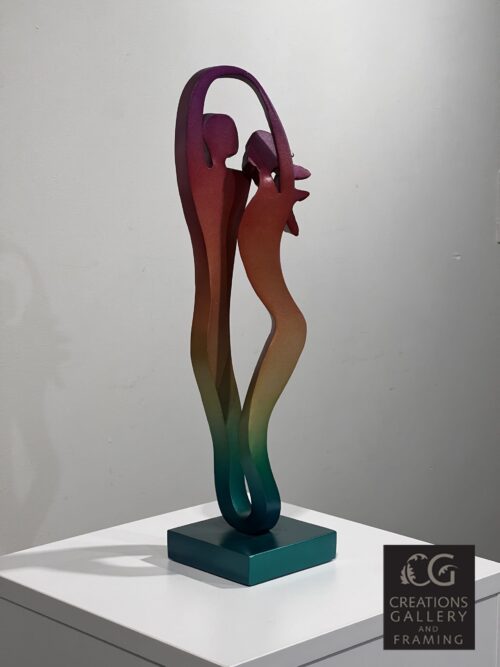
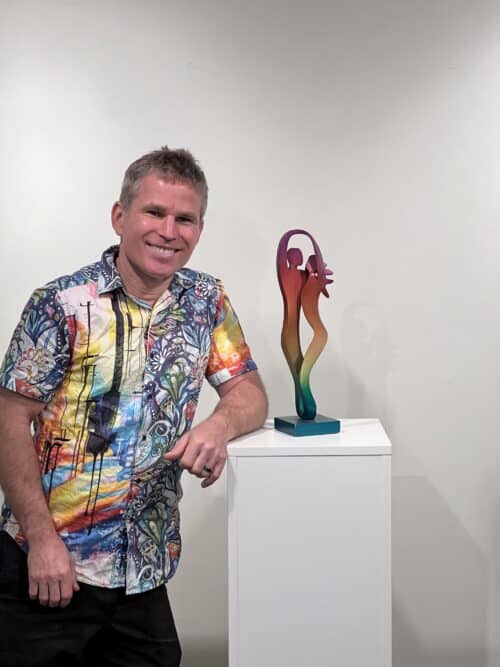
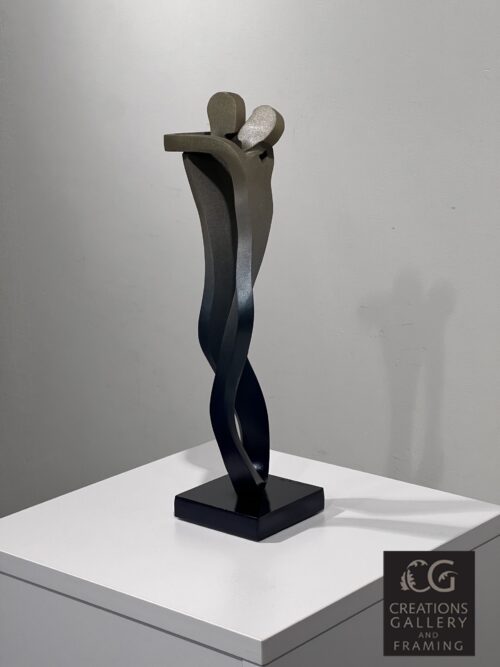
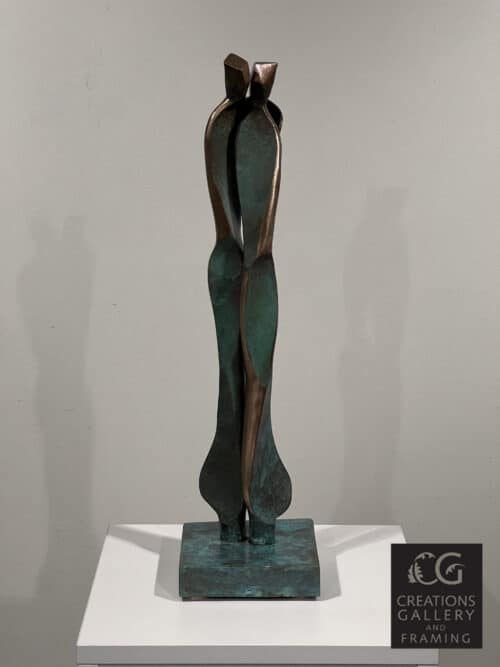
Sculpture
The Evolution and Significance of Sculpture in Visual Arts
Sculpture, a cornerstone of visual arts, transcends two-dimensional representation by engaging space and form in three dimensions. This art form has evolved from ancient stone carvings to contemporary installations, reflecting cultural, technological, and artistic shifts throughout history.
Historical Overview
Ancient and Classical Sculpture
Early civilizations, including the Egyptians, Greeks, and Romans, utilized sculpture to depict deities, commemorate leaders and narrate mythological tales. Materials such as stone, bronze, and marble were prevalent, with techniques like carving and casting laying the foundation for sculptural practices.
Renaissance Revival
The Renaissance era marked a resurgence of classical ideals, emphasizing humanism and anatomical precision. Sculptors like Michelangelo and Donatello achieved unprecedented realism and emotional depth in their works, exemplified by masterpieces such as Michelangelo’s “David” and Donatello’s “Saint George.”
Modernism and Abstraction
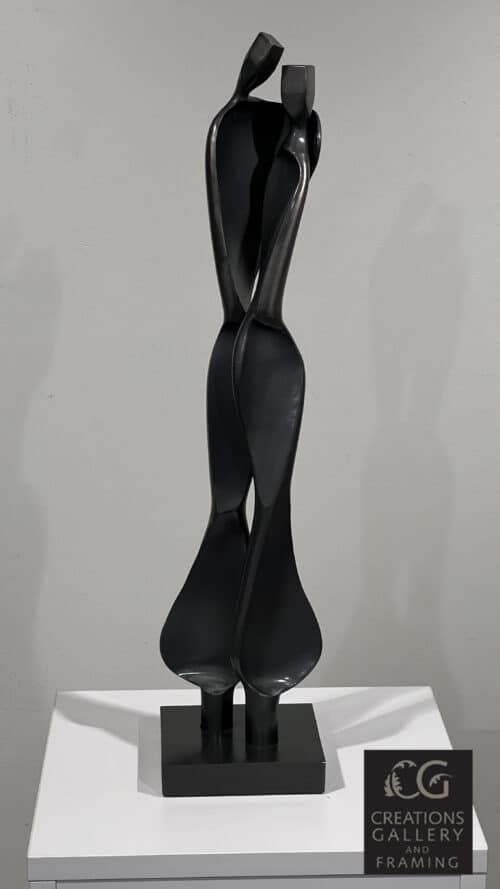
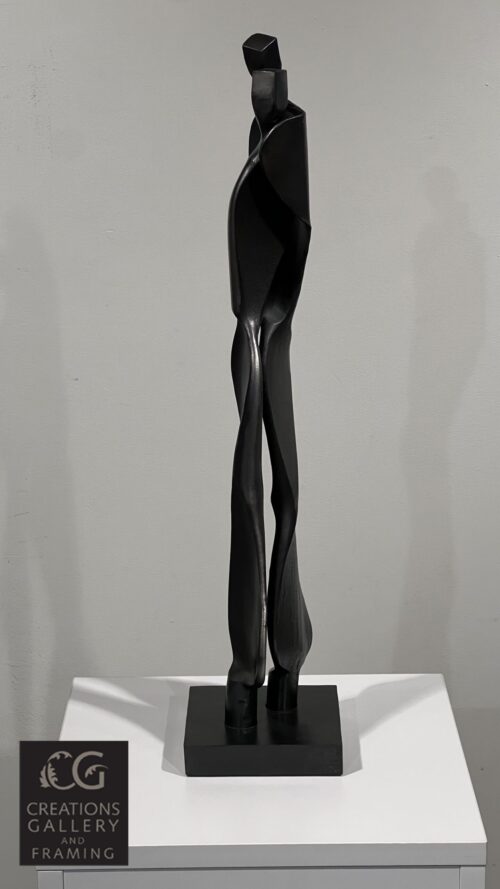
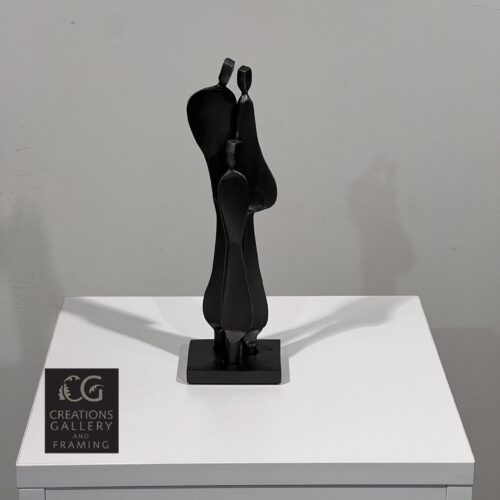
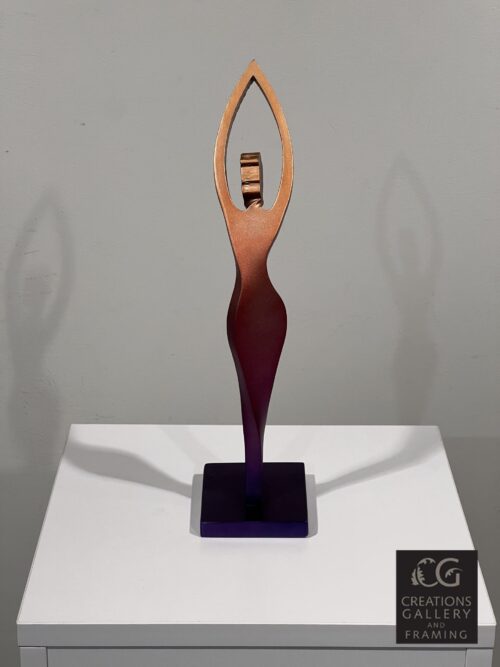
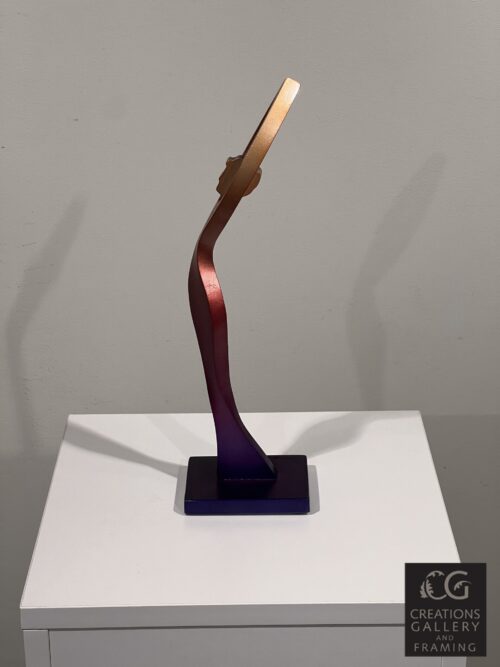
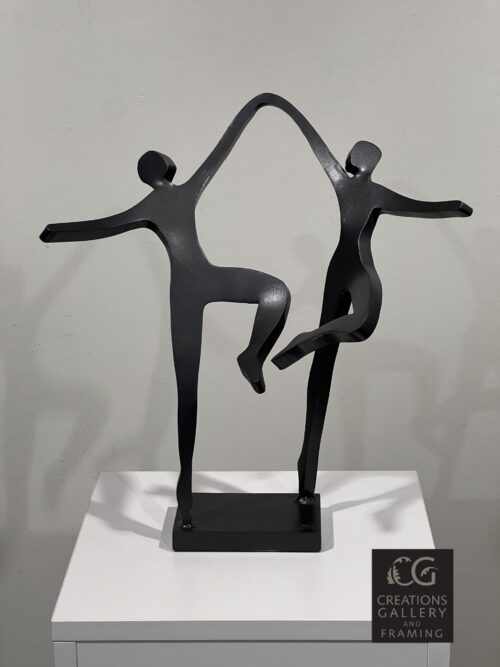
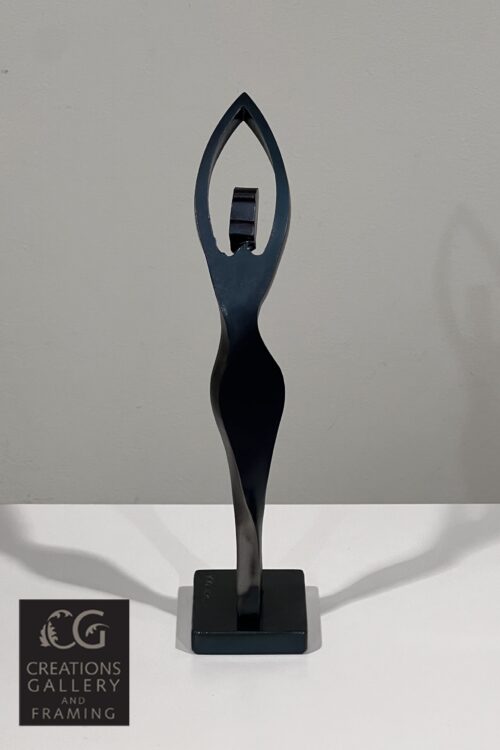
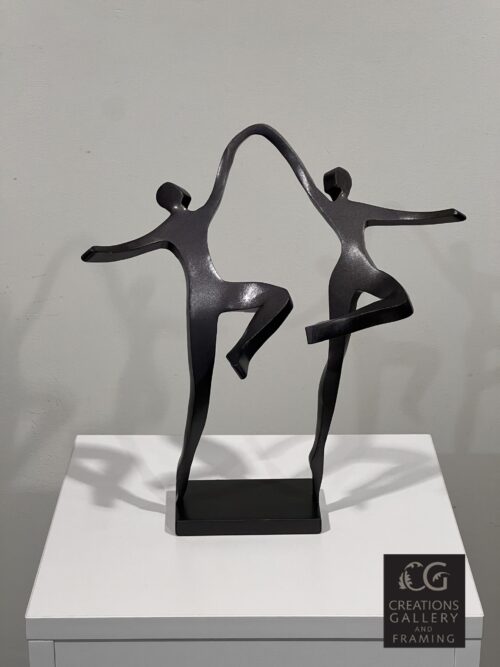
The 20th century introduced abstraction and experimentation with new materials and forms. Artists like Constantin Brâncuși and Henry Moore departed from representational sculpture, focusing on essential forms and exploring the interplay between mass and space.
Materials and Techniques
Traditional Materials
- Stone: Marble and limestone have been favoured for their durability and aesthetic qualities, enabling intricate detailing.
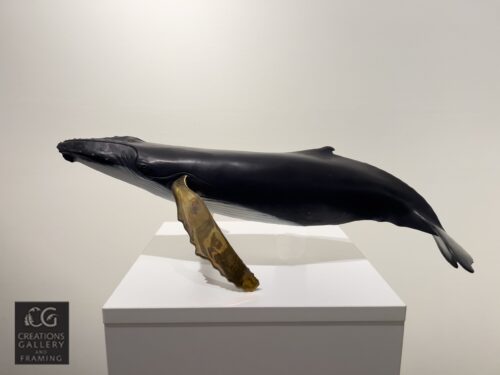
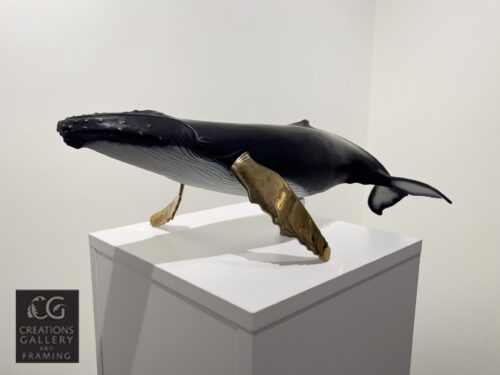
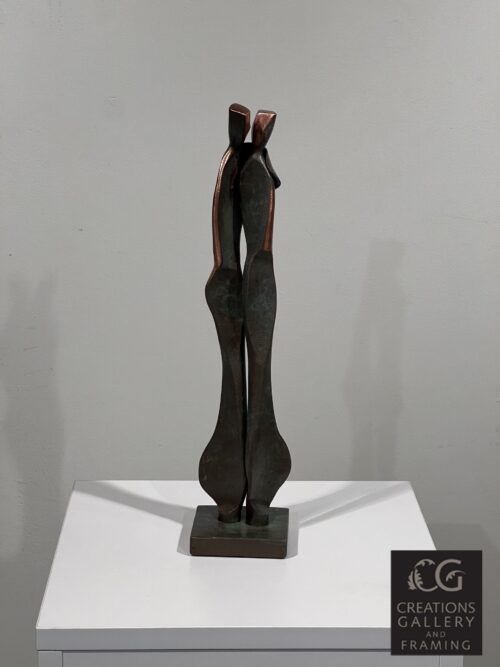
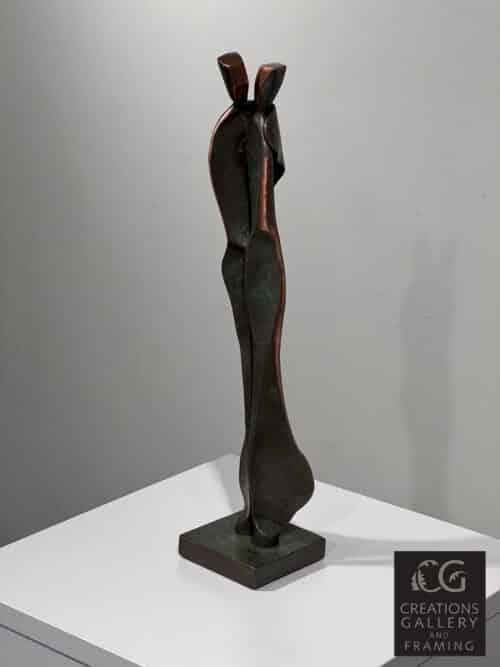
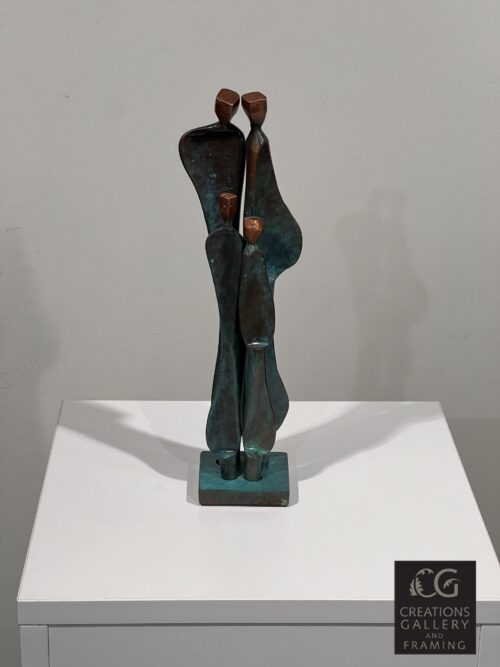
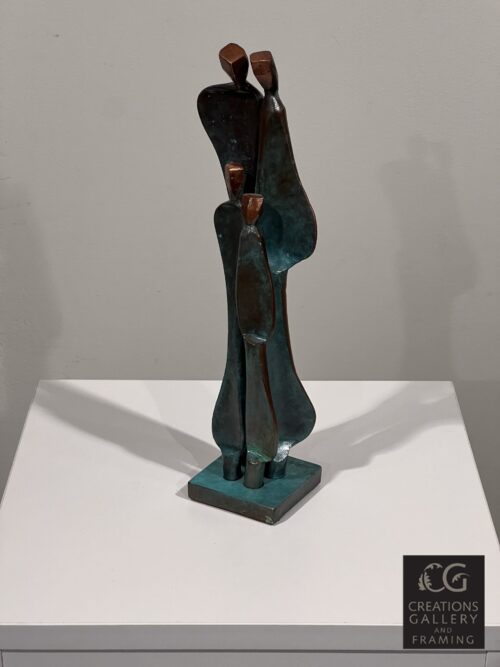
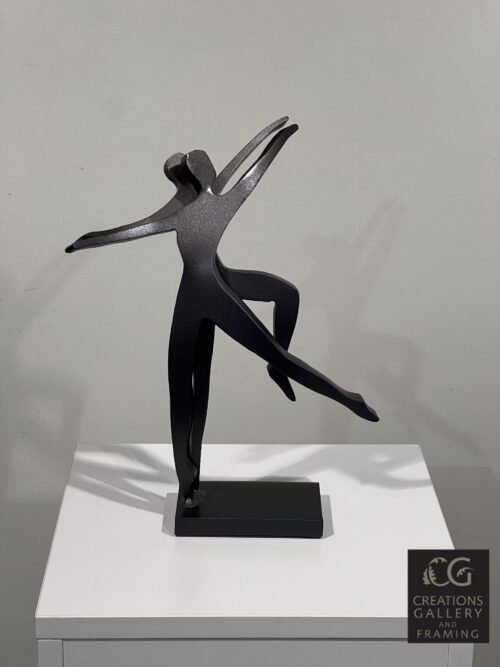
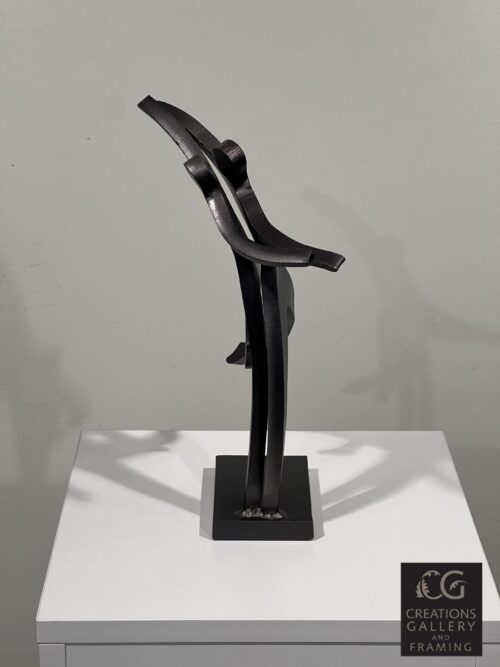
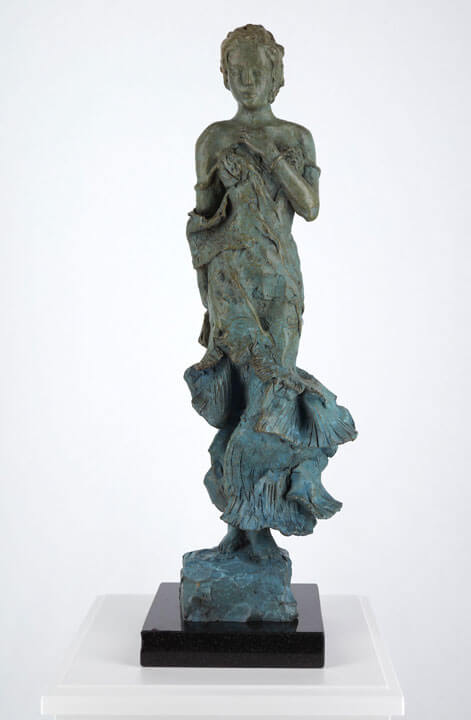
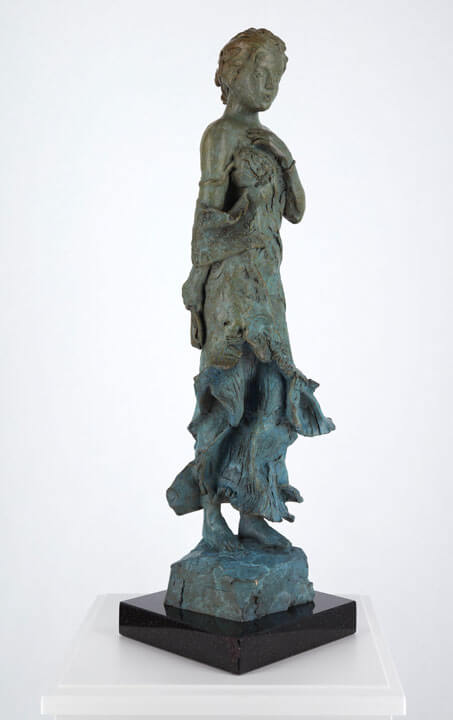
- Metal: Bronze and iron allow for fine details and dynamic compositions through casting methods.
- Wood: Valued for its versatility and natural texture, wood has been extensively used, especially in regions rich in forestry.
Contemporary Materials
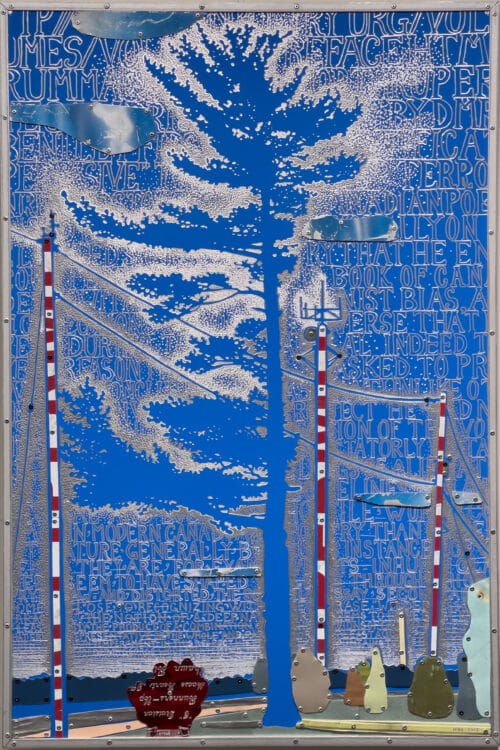
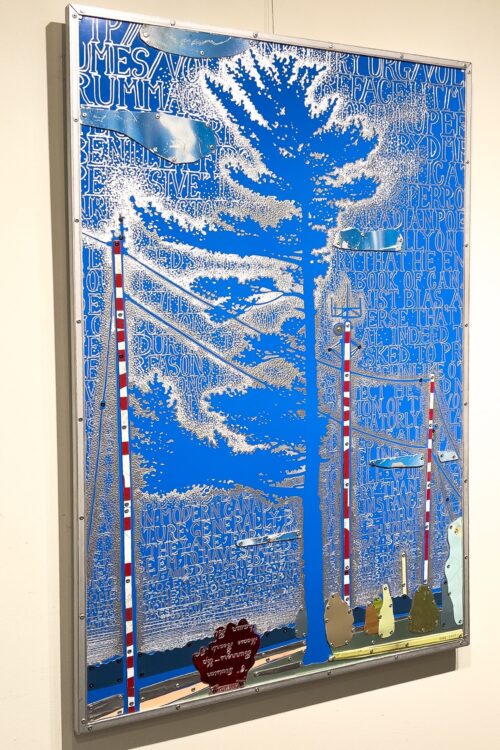
Modern sculptors experiment with diverse materials, including plastics, glass, and found objects, expanding the possibilities of form and expression. The incorporation of light, sound, and kinetic elements has further diversified sculptural practices.
Techniques
- Carving: A subtractive process where the material is meticulously removed to reveal the desired form.
- Modelling: An additive technique involving the manipulation of pliable substances like clay to build forms.
- Casting: Involves creating a mould of the original model and pouring materials such as molten metal or plaster to produce replicas.
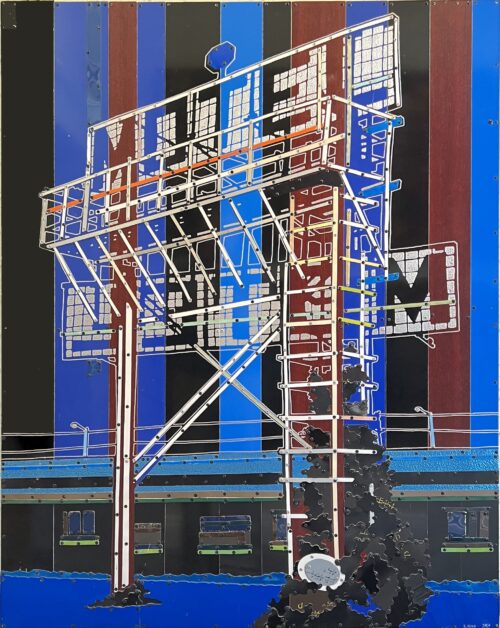
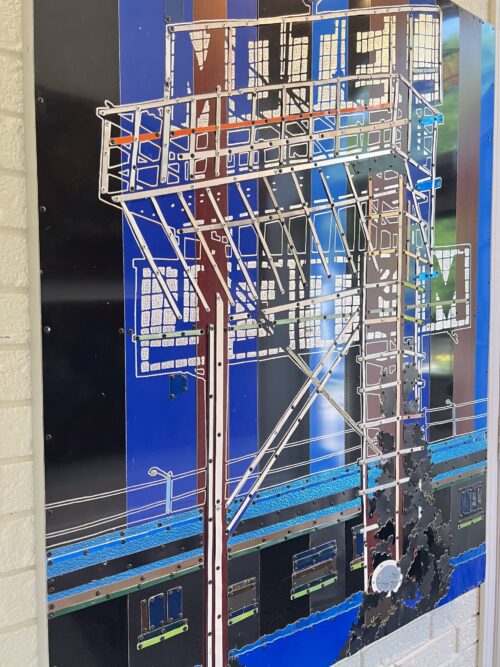
- Assemblage: The construction of sculptures by combining various objects and materials, often repurposed, to create a cohesive work.
Contemporary Trends
Today’s sculptors challenge traditional boundaries, integrating technology and engaging with social and environmental themes. Installations, performance art, and interactive pieces invite audience participation, reflecting a dynamic and inclusive approach to sculpture.
Sculpture remains a dynamic and integral component of visual arts, continually adapting to reflect societal changes and artistic innovations. Its enduring presence underscores humanity’s intrinsic desire to interpret and reshape the tangible world.